Interactive Bin Layout for Finnish Municipalities
Hover over each bin to learn about common mistakes and sorting tips
Paper & Cardboard
Plastics
Metals & Glass
Organic Waste
Hazardous Materials
Paper & Cardboard
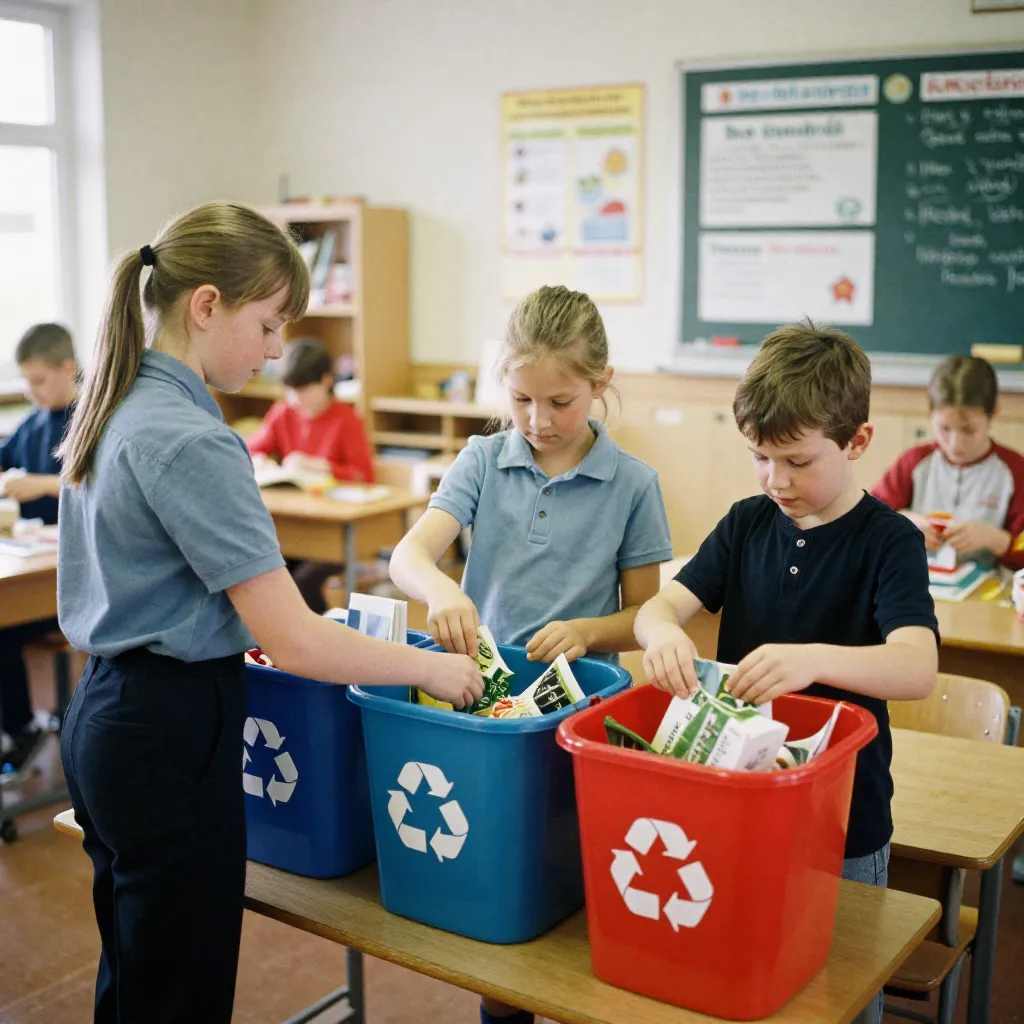
What Goes In
Newspapers, magazines, office paper, notebooks, envelopes (remove plastic windows), cardboard boxes, paper bags, cartons, and clean paper packaging.
Preparation Tips
- Remove all plastic elements (windows, wrapping, tape)
- Flatten cardboard boxes to save space
- Ensure paper is dry and free from food residue
- Remove staples when possible
Common Mistakes
Avoid: Wet paper, paper with grease or food stains, waxed cardboard, laminated paper, and paper with excessive ink coverage. These materials cannot be recycled through standard processes.
Plastics
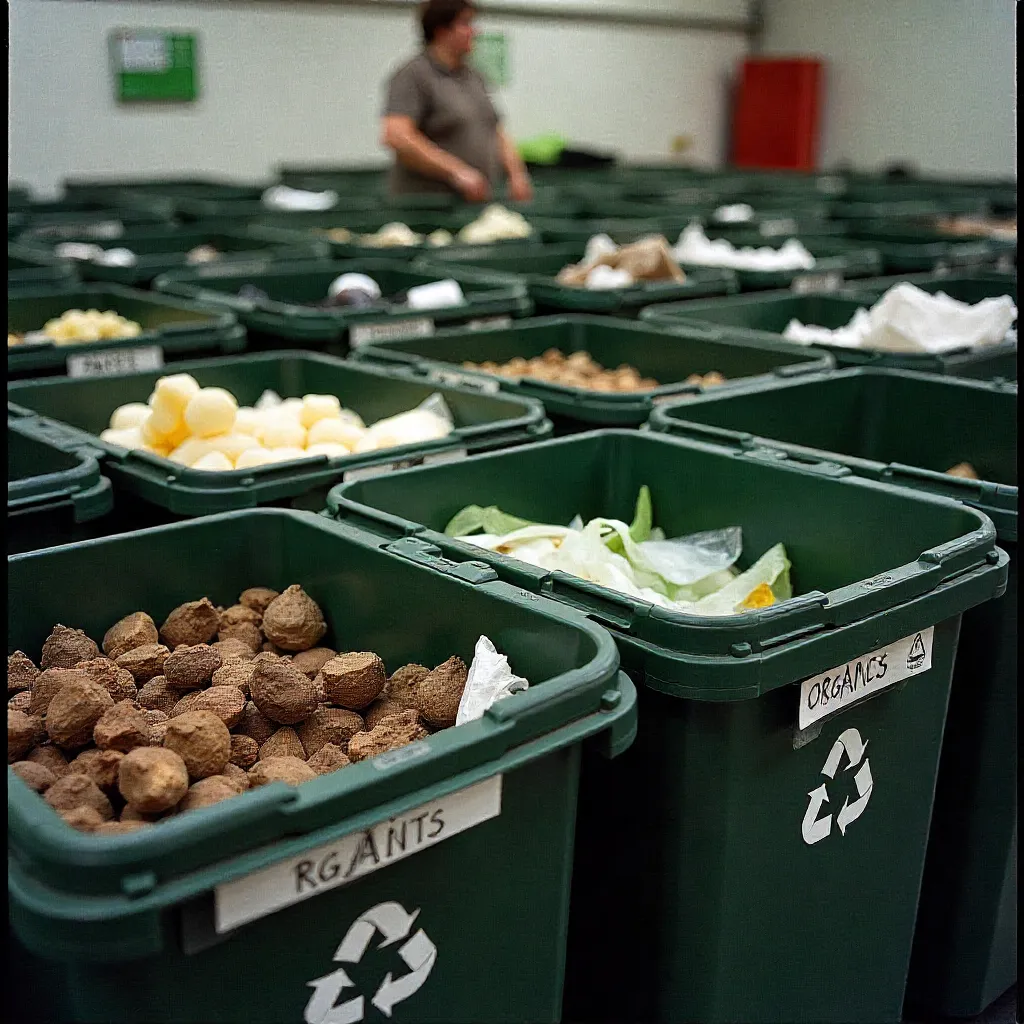
What Goes In
Plastic bottles (water, soda, cleaning products), food containers, plastic bags, packaging materials, and containers marked with recycling symbols 1-7.
Preparation Tips
- Rinse containers thoroughly to remove food residue
- Remove caps and labels when possible
- Flatten bottles and containers to save space
- Check local guidelines for accepted plastic types
Common Mistakes
Avoid: Plastic items with food residue, plastic wrap that's too thin, polystyrene foam, and mixed-material packaging. Some municipalities have specific restrictions on certain plastic types, so always check local guidelines.
Metals & Glass
Metal Items
Aluminum cans, steel cans, metal lids, clean foil, and metal containers. Ensure all items are clean and dry.
Glass Items
Glass bottles (beverages, jars), glass containers, and clear or colored glass. Some municipalities require separating glass by color.
Preparation Tips
- Rinse all containers thoroughly
- Remove labels and caps
- Separate glass by color if required in your area
- Keep metal and glass items dry
Common Mistakes
Avoid: Broken glass, mirrors, light bulbs, ceramics, and heat-resistant glass (like Pyrex). These items have different chemical compositions and cannot be recycled with standard glass. Check with your local facility for proper disposal methods.
Organic Waste / Compost
What Goes In
Fruit and vegetable scraps, coffee grounds, tea bags, eggshells, garden waste (leaves, grass clippings), and other biodegradable materials.
Home Composting Guidelines
- For apartment composting, avoid meat, fish, and dairy products
- Mix green materials (food scraps) with brown materials (dry leaves, paper)
- Turn the compost regularly to ensure proper decomposition
- Keep the compost moist but not wet
Common Mistakes
Avoid: Meat and fish scraps, dairy products, pet waste, diseased plants, and treated wood. These items can attract pests or introduce harmful bacteria. For municipal organic waste collection, check if these items are accepted in your area.
Hazardous Materials & Electronics
Hazardous Materials
Batteries, paint, chemicals, cleaning products, medications, fluorescent bulbs, and other items that require special handling.
Electronics
Computers, phones, televisions, small appliances, cables, and electronic devices of any size.
Proper Disposal
- Never place hazardous materials or electronics in regular waste bins
- Take items to designated collection points or recycling centers
- Check local schedules for special collection events
- Remove personal data from electronic devices before disposal
Collection Points
Most Finnish municipalities have dedicated collection points for hazardous waste and electronics. Contact your local waste management authority to find the nearest location and operating hours. Many electronics stores also accept small electronic items for recycling.
Need More Help?
If you're unsure about how to sort a specific item, check with your local municipality or contact us for guidance.
Contact Us